
State of registration
Where the vehicle was put on the road. A Lagos plate on a car a seller swears has spent its whole life in Kano is a question worth asking.
To verify a plate number in Nigeria, enter it in the form on this page. Awoof Cars Auction reads the first three letters — the Local Government Area code issued at registration — and shows the LGA and the state the vehicle was registered in. Owner names are not public; below we explain who can request them.
Enter the full plate number or just its first three letters. Spaces, dashes and lower case are ignored.
The district answer is free and needs no account; only the live FRSC check under it does. We never publish the plate you looked up.
Four steps, about ten seconds, nothing to install and nothing to pay for.
Type the plate as it appears on the car — ABC-123AA. Dashes, spaces and lower case make no difference. If all you have is the first three letters, that is enough.
The first three letters are the Local Government Area code assigned when the vehicle was first registered. Awoof Cars Auction matches them against our directory of Nigerian LGA codes.
You get the Local Government Area and the state the plate was issued in, plus an honest note on whether that code is cross-checked or still orientative.
Plates can be swapped; the chassis number cannot. Run the 17-character VIN through our vehicle history check to see auction records, mileage, damage and import history.
Every Nigerian plate carries its place of registration in plain sight. That part we verify for anyone, free and without an account; the live FRSC check under the result adds what the register itself holds.
Where the vehicle was put on the road. A Lagos plate on a car a seller swears has spent its whole life in Kano is a question worth asking.
The three letters are an LGA code, not a state code — the most common misreading of Nigerian plates. EKY is Eti-Osa, KJA is Ikeja, and both are Lagos.
Codes we have cross-checked against two independent sources are marked as confirmed. The rest are shown as orientative rather than dressed up as certainty.
Example: EKY-123AB decodes to Eti-Osa, Lagos State. The three digits and the closing two letters are just sequencing — they carry no location.
People call this the same thing in several ways: plate number verification, number plate verification, or simply verify number plate. Plate number verification in Nigeria always starts with the three letters at the front — that is the part that carries the location.
Owner details behind a Nigerian plate number are not public. FRSC and the state Motor Vehicle Administration Agencies hold them and release a name only to the police, the courts, insurers and the registered owner. Awoof Cars Auction shows the registration state and the LGA — the parts that are legally checkable.
Every site that promises an instant name behind a plate is either selling you data it does not have, or selling you data it should not have. Vehicle registration records are personal data under the Nigeria Data Protection Act, and the agencies that hold them do not run a public name lookup — not on their portals, and not through resellers.
You cannot verify plate number ownership online, and neither can anyone else without a legal reason to ask. What you can do is verify vehicle ownership on paper — the certificate described below is how that is actually done in a Nigerian used-car deal.
This is the only route that ends with a name, and it exists precisely so the same lookup is not available to anyone who reads a plate in traffic.
When you buy a used car in Nigeria, the document that proves the car is yours is the proof of ownership certificate, issued by the state Motor Vehicle Administration Agency together with the new vehicle licence. It names the owner, the plate and the chassis number.
That certificate — not somebody else's name pulled out of a plate lookup — is what you ask a seller for. If the name on it does not match the person selling the car, or the chassis number on it does not match the one stamped on the body, stop there.
Without any paperwork you can confirm where the plate was registered, and with the chassis number you can confirm what the car has been through: auction records, photographs, mileage readings, damage and import history.
Three names come up constantly in plate number verification in Nigeria, and they do different jobs.
The Federal Road Safety Corps sets the national plate standard and runs the central register behind it. Road safety officers can verify a plate on the spot; the public portal does not hand out owner names.
Each state has a Motor Vehicle Administration Agency that actually issues plates, licences and proof of ownership certificates. Transfers of ownership are done here, at state level, not federally.
The National Vehicle Identification Scheme ties a vehicle to its registration through a windscreen tag. Its portal, nvisng.org, is where a tagged vehicle's registration status is confirmed.
Awoof Cars Auction is an independent service and is not affiliated with FRSC, any state MVAA or NVIS. Our plate lookup runs on our own directory of LGA codes; for anything that must carry legal weight, go to the agency direct.
Our directory holds 777 LGA codes across 36 states and the Federal Capital Territory, 772 of them cross-checked against a second source. Every one of those 37 territories has its own page of codes.
Lagos plates are the ones most often checked, and all 20 Lagos LGA codes in our directory are confirmed. KJA is Ikeja, EKY is Eti-Osa, LSR is Surulere, APP is Apapa, KRD is Ikorodu, BDG is Badagry.
Federal Capital Territory plates follow the same rule: the first three letters point at an area council rather than a state. All nine FCT codes in our directory are confirmed.
Every state in the directory has a page listing all of its codes. 772 of the 777 are cross-checked against a second source; the remaining 5 rest on a single public list, and the lookup says so when you check one of them.
A plate tells you where a car was registered. These are the papers that tell you whether it can legally be sold to you and driven by you.
Ask for every one of these before money changes hands, and check the chassis number on the documents against the number stamped on the car itself. Numbers that do not match are the single clearest warning sign in a used-car deal.
Nigeria imports hundreds of thousands of used cars a year, many of them from United States salvage auctions. The plate is where the checking starts, not where it ends.
A seller describing one careful owner in Abuja, with a plate registered in a Lagos LGA, is telling you something they did not mean to.
Re-registering a car issues a new plate. The 17-character chassis number stays with the body for life, which is why it is the number you check the history against.
A car shipped in through Lagos may have been sold at a Copart or IAAI auction after a crash or a flood. That record survives the journey even when the damage has been panel-beaten away.
Documents are printed; auction photographs, mileage readings and damage reports are logged by third parties at the time, and they do not change afterwards.
Fresh vehicle history reports with auction photos — added over the last days.
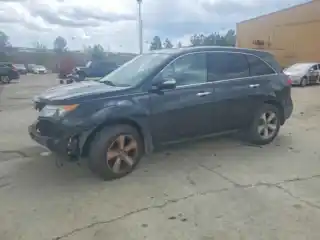 13 photos
2013 Acura MDX
2HNYD2H33DH509917
View report
13 photos
2013 Acura MDX
2HNYD2H33DH509917
View report
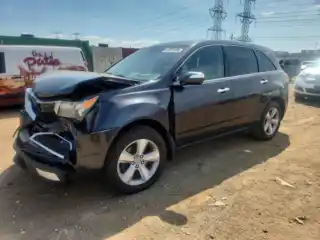 15 photos
2013 Acura MDX
2HNYD2H33DH508489
View report
15 photos
2013 Acura MDX
2HNYD2H33DH508489
View report
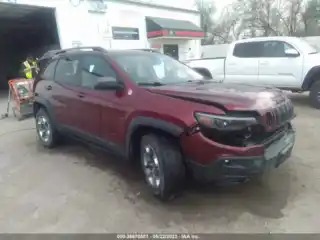 12 photos
2019 Jeep Cherokee
1C4PJMBN4KD474640
View report
12 photos
2019 Jeep Cherokee
1C4PJMBN4KD474640
View report
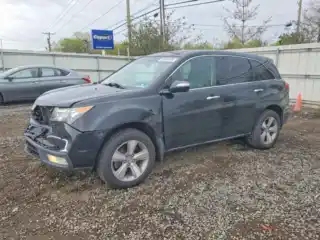 15 photos
2013 Acura MDX
2HNYD2H32DH502456
View report
15 photos
2013 Acura MDX
2HNYD2H32DH502456
View report
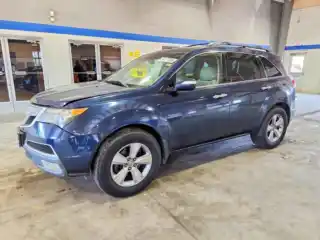 13 photos
2012 Acura MDX
2HNYD2H32CH534760
View report
13 photos
2012 Acura MDX
2HNYD2H32CH534760
View report
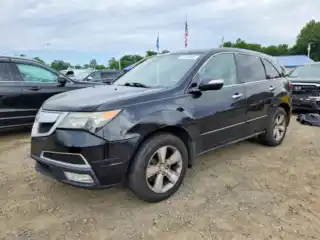 13 photos
2012 Acura MDX
2HNYD2H32CH513150
View report
13 photos
2012 Acura MDX
2HNYD2H32CH513150
View report
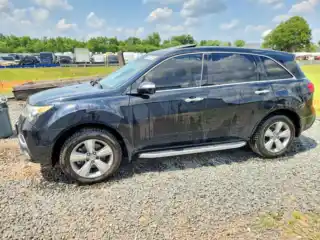 14 photos
2012 Acura MDX
2HNYD2H31CH542672
View report
14 photos
2012 Acura MDX
2HNYD2H31CH542672
View report
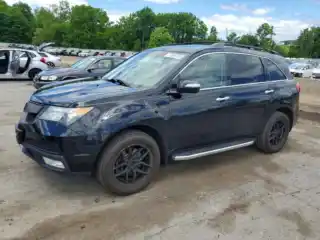 12 photos
2013 Acura MDX
2HNYD2H30DH502522
View report
12 photos
2013 Acura MDX
2HNYD2H30DH502522
View report
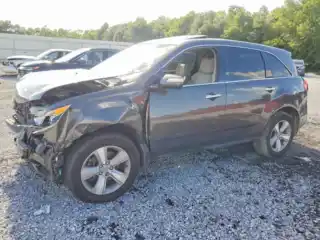 15 photos
2012 Acura MDX
2HNYD2H2XCH538210
View report
15 photos
2012 Acura MDX
2HNYD2H2XCH538210
View report
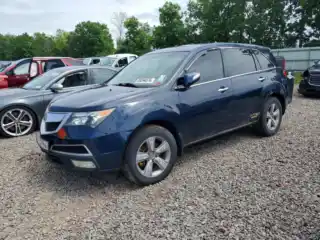 13 photos
2011 Acura MDX
2HNYD2H2XBH518604
View report
13 photos
2011 Acura MDX
2HNYD2H2XBH518604
View report
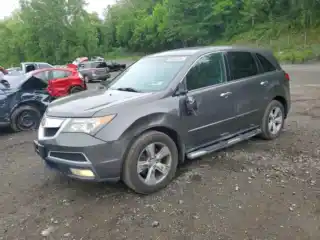 13 photos
2010 Acura MDX
2HNYD2H2XAH519220
View report
13 photos
2010 Acura MDX
2HNYD2H2XAH519220
View report
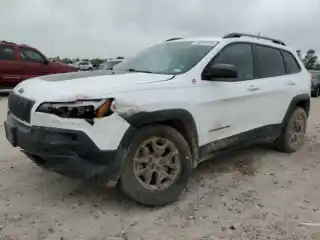 12 photos
2019 Jeep Cherokee
1C4PJMBN2KD133625
View report
12 photos
2019 Jeep Cherokee
1C4PJMBN2KD133625
View report
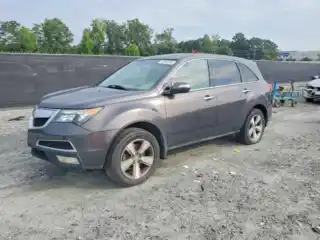 13 photos
2012 Acura MDX
2HNYD2H29CH507188
View report
13 photos
2012 Acura MDX
2HNYD2H29CH507188
View report
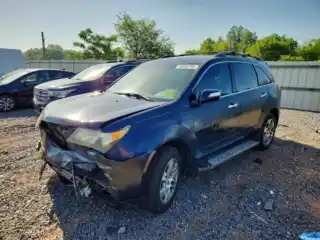 13 photos
2011 Acura MDX
2HNYD2H28BH531948
View report
13 photos
2011 Acura MDX
2HNYD2H28BH531948
View report
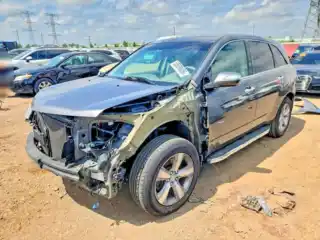 34 photos
2012 Acura MDX
2HNYD2H26CH502918
View report
34 photos
2012 Acura MDX
2HNYD2H26CH502918
View report
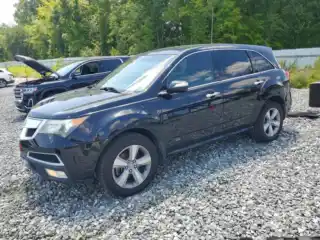 13 photos
2012 Acura MDX
2HNYD2H25CH533710
View report
13 photos
2012 Acura MDX
2HNYD2H25CH533710
View report
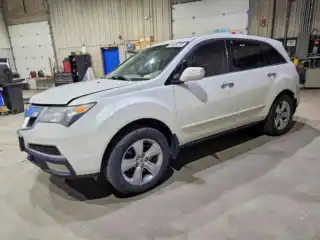 15 photos
2013 Acura MDX
2HNYD2H24DH519427
View report
15 photos
2013 Acura MDX
2HNYD2H24DH519427
View report
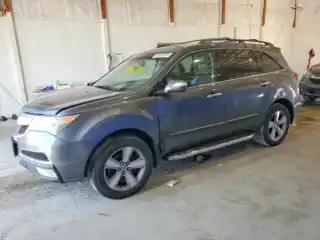 13 photos
2010 Acura MDX
2HNYD2H24AH515129
View report
13 photos
2010 Acura MDX
2HNYD2H24AH515129
View report
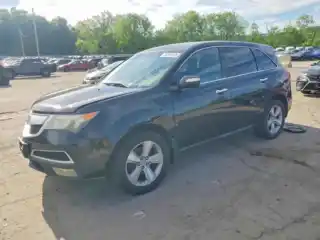 13 photos
2010 Acura MDX
2HNYD2H23AH510228
View report
13 photos
2010 Acura MDX
2HNYD2H23AH510228
View report
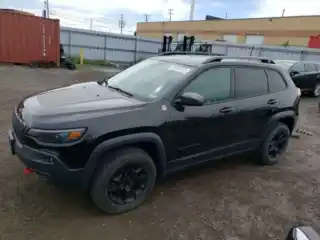 14 photos
2019 Jeep Cherokee
1C4PJMBN1KD213644
View report
14 photos
2019 Jeep Cherokee
1C4PJMBN1KD213644
View report
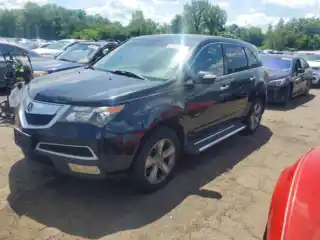 13 photos
2011 Acura MDX
2HNYD2H22BH504308
View report
13 photos
2011 Acura MDX
2HNYD2H22BH504308
View report
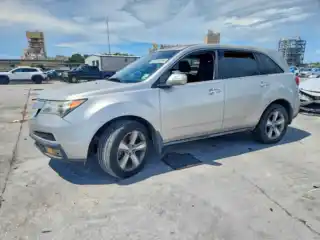 11 photos
2013 Acura MDX
2HNYD2H21DH501628
View report
11 photos
2013 Acura MDX
2HNYD2H21DH501628
View report
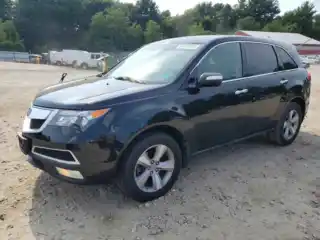 13 photos
2012 Acura MDX
2HNYD2H20CH513915
View report
13 photos
2012 Acura MDX
2HNYD2H20CH513915
View report
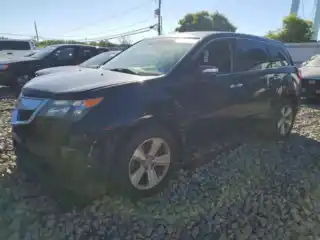 14 photos
2012 Acura MDX
2HNYD2H20CH505913
View report
14 photos
2012 Acura MDX
2HNYD2H20CH505913
View report
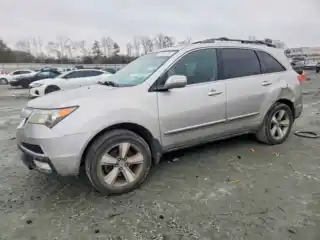 15 photos
2012 Acura MDX
2HNYD2H20CH502350
View report
15 photos
2012 Acura MDX
2HNYD2H20CH502350
View report
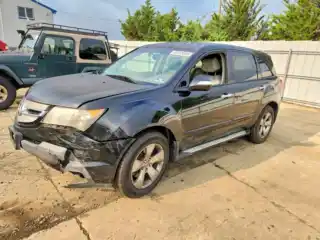 14 photos
2007 Acura MDX
2HNYD28837H514079
View report
14 photos
2007 Acura MDX
2HNYD28837H514079
View report
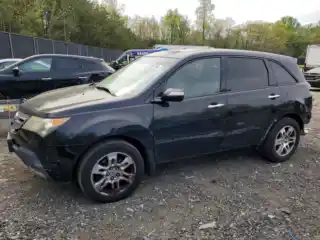 33 photos
2009 Acura MDX
2HNYD286X9H509270
View report
33 photos
2009 Acura MDX
2HNYD286X9H509270
View report
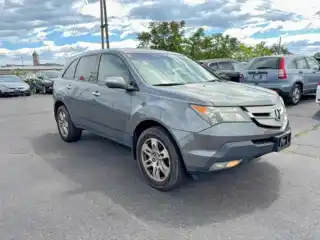 10 photos
2009 Acura MDX
2HNYD28699H500415
View report
10 photos
2009 Acura MDX
2HNYD28699H500415
View report
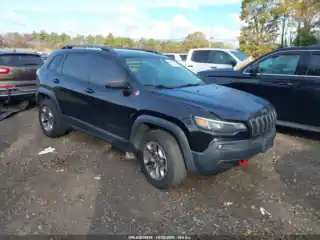 16 photos
2019 Jeep Cherokee
1C4PJMBN0KD365317
View report
16 photos
2019 Jeep Cherokee
1C4PJMBN0KD365317
View report
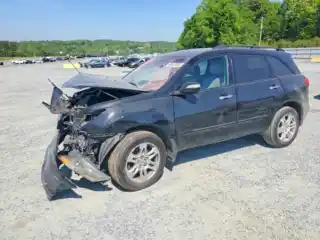 13 photos
2008 Acura MDX
2HNYD28688H555033
View report
13 photos
2008 Acura MDX
2HNYD28688H555033
View report
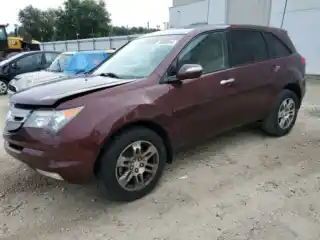 13 photos
2008 Acura MDX
2HNYD28688H548390
View report
13 photos
2008 Acura MDX
2HNYD28688H548390
View report
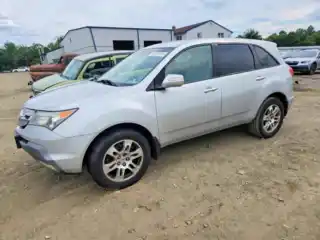 13 photos
2009 Acura MDX
2HNYD28669H533663
View report
13 photos
2009 Acura MDX
2HNYD28669H533663
View report
Every report is built from auction records, photos and import data we can verify.

Secure. Private. Data from verified and official sources.
Make, model, year, body, engine, transmission and colour, as the auction filed them.
Every dated event we hold for the VIN, from the oldest lot to the newest.
Odometer readings over time, with rollback warnings.
Copart, IAAI and Manheim lots with sale dates and prices.
Reported damage, primary and secondary, per lot.
Original auction photos of the car before shipping.
Salvage, flood and theft flags found in the data.
The country the car was sold in, and the route to Nigeria that follows from it.
How many independent sources the report is built from, named lot by lot.
Through the authorities, not through a website. File a police report or have a lawyer apply for a court order, and FRSC or the state MVAA will release the registered keeper to them. There is no legitimate public service that returns an owner's name from a plate number.
Not by yourself. Registration records are personal data held by FRSC and the state Motor Vehicle Administration Agencies, and they are released only to the police, the courts, insurers and the registered owner. What you can find on your own is the LGA and state of registration.
You can learn where the car was registered, and with the chassis number you can learn what has happened to it. The owner's name is not part of any public record in Nigeria, and any site claiming to sell it is either guessing or breaking data protection rules.
Note the plate, the make, the colour, the time and the place, then report it to the police or to your insurer. Both have a legitimate route to the registration record; a private individual does not. A court order is the alternative in a civil matter.
It is the document your state MVAA issues to show who owns a vehicle. It carries the owner's name, the plate number and the chassis number, and it is reissued to the buyer on every transfer. Ask for it before you pay for a used car.
By documents, not by name lookup. Match the proof of ownership certificate, the vehicle licence and the seller's ID against each other, and check the chassis number on the papers against the one stamped on the car. Any mismatch is a reason to walk away.
They are the code of the Local Government Area where the vehicle was registered — not the state, which is the usual assumption. KJA means Ikeja and EKY means Eti-Osa, and both LGAs are in Lagos State. The digits and closing letters are only sequencing.
Enter the plate in the tool on this page. We match its first three letters against our directory of Nigerian LGA codes and show you the Local Government Area and the state it belongs to. The state name is also printed across the top of the plate itself.
On this page, yes — nothing here is charged for. The LGA and state lookup needs no account and has no limit on how many plates you check. The live FRSC register check is free too, but it needs a free account and is capped per hour, because each one is a request to a government portal. A full vehicle history report, which is built from the chassis number rather than the plate, is a separate paid product.
Most often the plate is a special series — federal government, police, diplomatic or military plates do not use LGA codes. It can also be a newer code we have not cross-checked yet. Check the car by its chassis number instead; that always works.
FRSC does not charge for confirming that a plate is genuine, but its public channels do not return the owner. On this page that same confirmation is free once you are signed in: the result card asks the FRSC register whether the plate is issued and what vehicle is attached to it. Enforcement officers verify plates against the central register during stops, and the state MVAA handles registration paperwork, some of which carries a fee.
MVAA stands for Motor Vehicle Administration Agency, the state body that issues plates, vehicle licences and proof of ownership certificates. Verification of plate number records at MVAA level means confirming that a plate and its paperwork exist in that state's register — done in person or on the state portal.
Yes. Enter the 17-character VIN and you get auction records, mileage, damage and photos. Coverage is best for cars imported from US auctions — that is most of the used market in Nigeria.
From the auctions themselves: Copart, IAAI and Manheim photograph every lot before it is shipped, and we keep those images in the report.
A car can be repaired and repainted, but its auction record stays. The report shows the damage, the mileage and the import status the seller may not mention.
You will see an empty report rather than invented data. You can add the VIN to monitoring and we will tell you when new records appear.
Car market, customs and vehicle-check news.
News is coming soon.
One VIN. One report. Auction history, mileage, damage and import status in seconds.